Noise-Cancelling Headphones vs. Earbuds: Which Should You Buy?
Published Jul 18, 2026
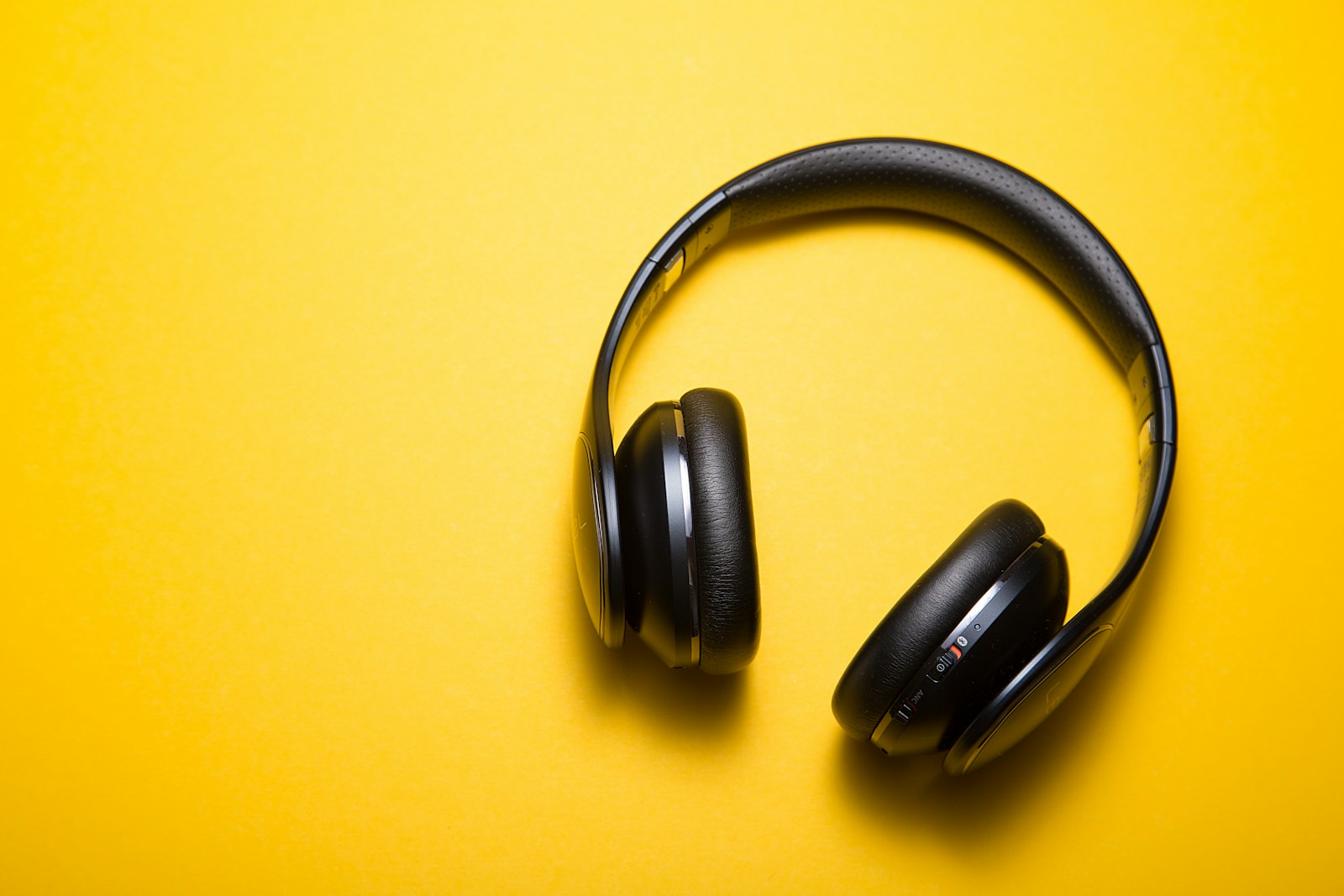
Noise-Cancelling Headphones vs. Earbuds: Which Should You Buy?
"Noise-cancelling" gets used loosely to describe almost anything with a microphone these days, but there's a real, meaningful difference between over-ear headphones built around Active Noise Cancellation and earbuds that prioritize a smaller, more portable form factor — even within the same product generation. If you're deciding between the two, the honest answer is that it depends less on brand and more on what you're actually optimizing for.
What "noise-cancelling" actually means
True Active Noise Cancellation uses microphones to sample ambient sound and generate an inverse sound wave that cancels it out. It's most effective against constant, low-frequency noise — an airplane engine, a bus, HVAC hum — and less effective against sudden or high-pitched sounds like voices or a barking dog. That's different from passive isolation, which just physically blocks sound with padding or a tight seal, and different again from an open-ear design that doesn't attempt to block anything at all. Knowing which category a product actually falls into, rather than trusting "noise-cancelling" as a general marketing phrase, is the most useful thing to check before buying.
The case for over-ear headphones

Price as of Jul 18, 2026 — subject to change. See current price on Amazon.
The Sony WH-CH720N is a good example of what a genuinely capable ANC headphone looks like without spending flagship money. It has real Active Noise Cancellation — not just passive isolation from the ear cups — plus up to 35 hours of battery life and built-in support for Alexa and Google Assistant. At 192 grams, it's light enough that most people don't find it fatiguing over a long flight or a full workday, which is usually where earbuds start to lose their appeal in that scenario.
The trade-offs are what you'd expect from a mid-range pick: the plastic build doesn't feel as premium as pricier over-ear options, and while the ANC is solid, it's not class-leading at this price point. But for commuting or travel, where blocking out engine noise or chatter matters more than anything else, over-ear headphones with real ANC like this one are still the more reliable choice than earbuds.
The case for earbuds

Price as of Jul 18, 2026 — subject to change. See current price on Amazon.
The AirPods 4 represent the other side of the trade-off — and it's worth being upfront that this base model does not include Active Noise Cancellation. That's reserved for the pricier ANC version in Apple's lineup. What you get instead is USB-C charging, up to 30 hours of total battery life with the case, and instant, low-friction pairing with an iPhone thanks to the H2 chip. Call quality is also noticeably improved over the previous generation, which matters more than people expect if you spend a lot of time on calls.
The open-ear fit is the key difference from the Sony pick above: it lets in ambient sound rather than blocking it, which is exactly what some people want at the gym, on a walk, or anywhere they need situational awareness. It's also the pick if bulk and pocketability matter more to you than isolation.
So which should you actually buy?
If your main use case is flights, long commutes, or a loud open-plan office where blocking outside noise is the priority, an over-ear pair with real ANC — like the Sony WH-CH720N — is going to outperform earbuds every time, simply because bigger ear cups can seal out more sound than anything that sits in your ear canal.
If your priority is working out, running errands, or anything where you want to stay aware of your surroundings and don't want a strap or headband, earbuds like the AirPods 4 make more sense — just know you're trading away noise cancellation for that portability, at least at this price tier.
There isn't a universal right answer here. Buy the form factor that matches how you'll actually use it most often, not the one with the flashier spec sheet.